
In Georgia, you can sue a landlord for a slip and fall if the accident resulted from their negligence. This occurs when the landlord fails to maintain safe conditions on the property, such as repairing broken stairs, fixing uneven floors, addressing wet or slippery surfaces, or providing adequate lighting. You must show that the landlord knew or should have known about the hazard and did not take reasonable steps to prevent your injury.
At North Atlanta Injury Law, our personal injury attorneys can handle every step of your slip and fall accident case. We will gather and preserve evidence, document your injuries, negotiate with insurance companies, and, if needed, represent you in court. With our support, victims can pursue fair compensation, including medical expenses, lost income, pain and suffering, and other damages caused by the landlord’s negligence.
For a free case evaluation and legal consultation, please contact our experienced Milton, GA slip and fall lawyers today.
Key Takeaways: Falling on Property in Georgia
- Negligent landlords can cause falls by failing to repair hazards such as broken stairs, uneven sidewalks, wet floors, loose flooring, or inadequate lighting.
- Victims can suffer serious injuries, including broken bones, fractures, head injuries, traumatic brain injuries, sprains, strains, and cuts or bruises, with some injuries causing long-term complications.
- Recoverable damages may include medical expenses, lost income, loss of earning capacity, pain and suffering, property damage, and costs for long-term care or home modifications.
- Proving a case requires evidence, including photographs of the hazard, medical records, witness statements, incident reports, and expert testimony linking the landlord’s negligence to the injury.
- Litigation can involve multiple steps, including filing a complaint, discovery, settlement negotiations, and, if necessary, trial. Our skilled attorneys guide clients through every stage.
- North Atlanta Injury Law can handle your case by gathering and preserving evidence, negotiating with insurance companies, documenting injuries, and advocating in court to help victims pursue fair compensation.
- Prompt legal action is crucial to protect your rights, preserve evidence, and strengthen your claim after a slip and fall on a negligent landlord’s property.
How Do Landlords in Georgia Cause Falls on Property?
Unsafe Walkways and Surfaces
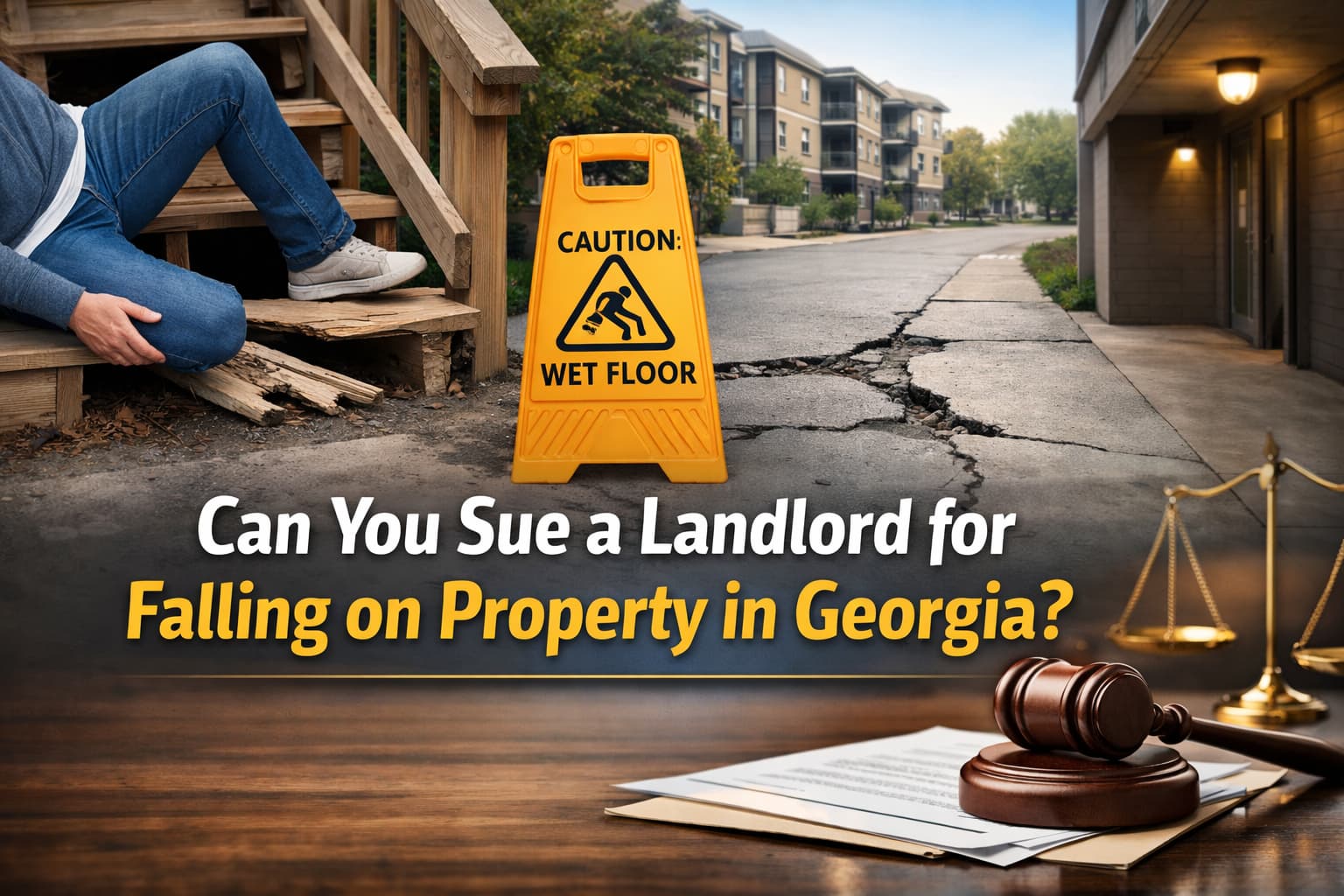
Negligent landlords in Georgia often contribute to falls by failing to maintain safe walkways and surfaces on their properties. Cracked sidewalks, uneven pavement, and loose floorboards can create hazardous conditions for tenants and visitors. When these issues are ignored, the risk of tripping and falling significantly increases. Wet or slippery surfaces, such as untreated entryways or staircases exposed to rain, can also lead to dangerous slip and fall accidents. Landlords have a duty to repair or warn about these hazards, and neglecting this responsibility directly contributes to injuries.
Poorly Maintained Stairs and Railings
Stairs are one of the most common locations for falls on rental properties. Landlords who fail to ensure that staircases are in good condition, properly lit, and equipped with sturdy handrails place tenants at risk. Missing steps, broken railings, or weak support structures can cause tenants to lose their balance and fall, resulting in serious injuries such as fractures or head trauma. Proper inspection and timely repair of stairways are essential to prevent these accidents.
Inadequate Lighting
Insufficient lighting in hallways, parking lots, and stairwells is another frequent cause of falls on Georgia rental properties. Poorly lit areas make it difficult for tenants and visitors to see potential hazards, such as uneven floors or obstacles in their path. Landlords are responsible for providing adequate lighting and replacing burned-out bulbs promptly. Neglecting this duty increases the likelihood of falls, especially during nighttime or low-visibility conditions.
Failure to Address Known Hazards
Finally, negligent landlords may be aware of dangerous conditions but choose not to act. Ignoring tenant complaints about slippery surfaces, broken steps, or unstable flooring demonstrates a lack of reasonable care. When landlords fail to address known hazards, they directly contribute to preventable accidents and injuries on their properties.
Common Injuries that Result from Falling on Property in Georgia
Broken Bones and Fractures
One of the most common injuries suffered in falls on negligent property in Georgia is broken bones or fractures. When a person trips on uneven surfaces, broken stairs, or loose flooring, they may land hard enough to break a wrist, arm, ankle, or leg. Elderly tenants are particularly vulnerable, as their bones are more fragile and more likely to break even in seemingly minor falls. Fractures can require extensive medical treatment, including surgery, casting, and physical therapy, often resulting in long recovery periods.
Head and Brain Injuries
Falls can also result in serious head injuries, including concussions and traumatic brain injuries (TBIs). A sudden impact with the ground, stairs, or other objects can cause the brain to move within the skull, leading to lasting cognitive issues, memory problems, dizziness, and, in severe cases, permanent disability. These injuries are particularly serious because symptoms may not appear immediately, delaying treatment and increasing the risk of long-term complications.
Soft Tissue Injuries
Soft tissue injuries, such as sprains, strains, and torn ligaments, are also common in falls caused by negligent landlords. Landing awkwardly or twisting a joint during a fall can damage muscles, tendons, and ligaments, leading to pain, swelling, and limited mobility. Even when these injuries are not life-threatening, they can significantly impact a person’s daily activities and quality of life.
Cuts, Bruises, and Lacerations
Falls can result in cuts, bruises, and lacerations when victims strike sharp edges, protruding nails, or broken surfaces. These injuries may require stitches, antibiotics, or other medical care to prevent infection. While often less severe than fractures or TBIs, they still contribute to physical pain, emotional distress, and medical expenses.
Long-Term Effects
Beyond immediate injuries, victims may suffer long-term consequences, including chronic pain, reduced mobility, or psychological effects such as anxiety or fear of falling again.
Proving a Slip and Fall Lawsuit Against a Landlord in Georgia
Establishing Landlord Negligence
To successfully prove a slip and fall lawsuit against a landlord in Georgia, the first step is showing that the landlord was negligent. Negligence occurs when a landlord fails to exercise reasonable care in maintaining their property, creating dangerous conditions that could cause accidents. This includes failing to repair broken stairs, uneven sidewalks, loose flooring, or inadequate lighting. Plaintiffs must demonstrate that the landlord knew, or should have known, about the hazardous condition and failed to take appropriate action to prevent harm.
Proving a Hazard Exists
Next, victims must prove that a hazardous condition actually existed at the time of the fall. Photographs of broken flooring, cracked sidewalks, wet surfaces, or missing handrails can provide clear visual evidence. Video surveillance from security cameras or nearby devices may also show the dangerous condition or capture the moment of the fall, supporting the victim’s account.
Documenting the Incident
Medical records documenting injuries are key evidence in these cases, showing the direct impact of the fall. Witness statements from neighbors, visitors, or maintenance staff who saw the incident or the unsafe condition can further strengthen the case. Incident reports filed with the property management or police reports can also demonstrate that the landlord was aware—or should have been aware—of the hazard.
Showing Causation and Damages
Victims must link the landlord’s negligence to their injuries, proving that the fall caused measurable harm. This includes medical bills, lost income, and evidence of pain and suffering. Expert testimony, such as from safety inspectors or medical professionals, can help establish both the severity of the hazard and the extent of the injuries.
What Happens During Slip and Fall Litigation Against a Landlord?
The Slip and Fall Litigation Process in Georgia
When a tenant or visitor suffers a slip and fall on a property due to landlord negligence in Georgia, pursuing a lawsuit can be a complex process. Litigation begins with an initial consultation with our experienced attorneys, who evaluate the case, review evidence, and determine the strength of the claim. Our attorneys will explain the legal standards in Georgia, including the landlord’s duty to maintain safe premises and the requirement to prove negligence, causation, and damages.
Once the case is accepted, the next step is gathering and preserving evidence. This includes photographs of the hazardous condition, medical records documenting injuries, witness statements, and incident reports. Proper documentation is crucial because it forms the foundation of the lawsuit and can significantly influence the outcome.
After evidence collection, our attorneys may file a formal complaint against the landlord in Georgia state court. The landlord and their insurance company are then notified and given an opportunity to respond. During the discovery phase, both sides exchange information, including depositions, interrogatories, and requests for documents. This process allows attorneys to build a comprehensive understanding of the facts, establish liability, and evaluate potential damages.
Many slip and fall cases are resolved through settlement negotiations before trial. Our skilled attorneys at North Atlanta Injury Law handle these negotiations for medical expenses, lost income, pain and suffering, and other damages. If a fair settlement cannot be reached, the case proceeds to trial, where attorneys present evidence, question witnesses, and advocate on behalf of their clients.
How North Atlanta Injury Law Can Help
Our slip and fall lawyers guide clients through every step of the litigation process, ensuring their rights are protected and their interests are represented. From gathering evidence to negotiating settlements or advocating in court, we provide personalized, strategic support to help victims build a strong case.
Recoverable Damages in a Georgia Slip and Fall Lawsuit Against a Landlord
Medical Expenses
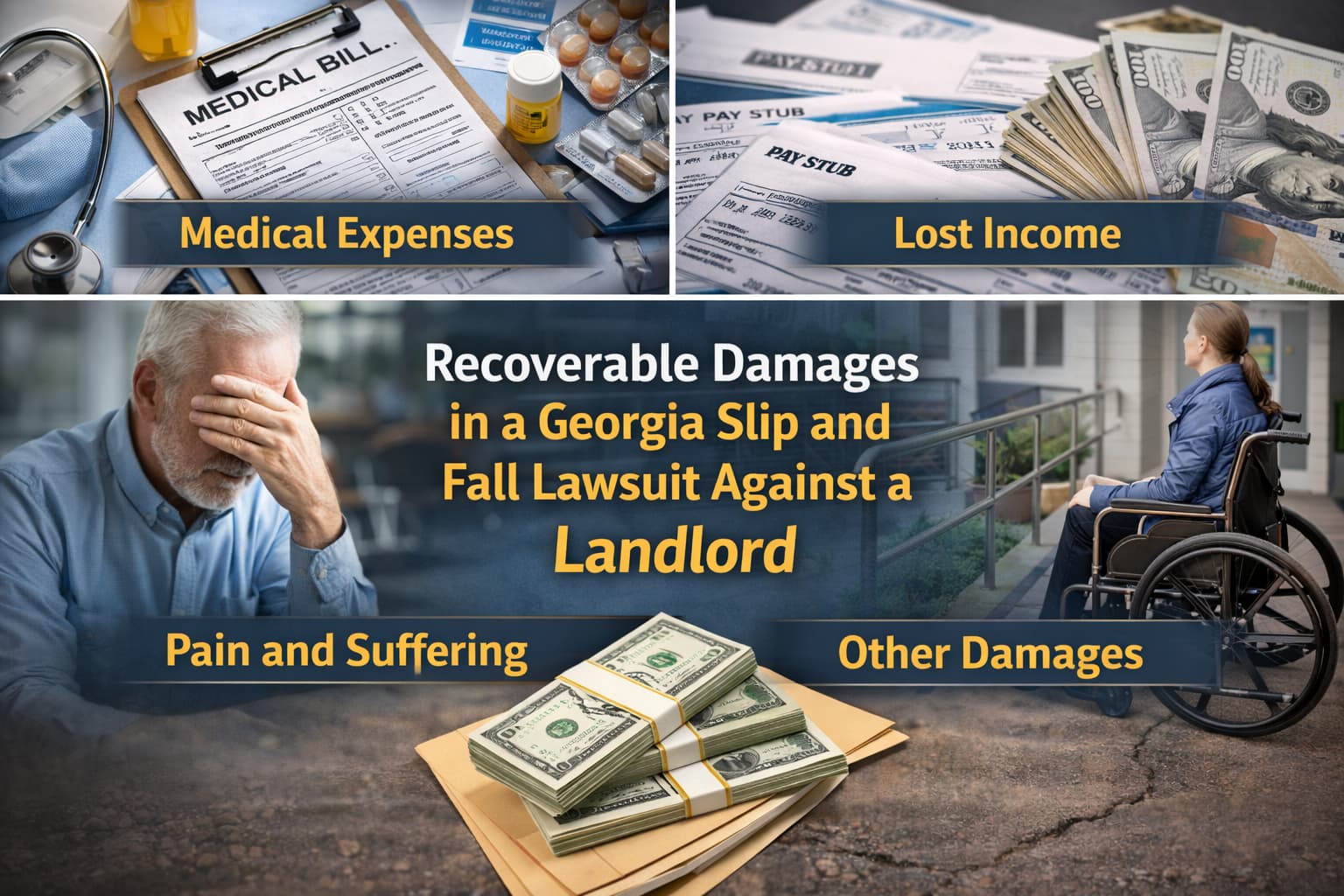
One of the primary damages victims can recover compensation for in a slip and fall lawsuit against a negligent landlord in Georgia is medical expenses. This includes costs for emergency room visits, hospital stays, surgeries, prescription medications, and follow-up care. Physical therapy, rehabilitation, and assistive devices, such as crutches or braces, are also included. Recovering these expenses ensures that victims are not left financially burdened due to injuries caused by unsafe property conditions.
Lost Income and Lost Earning Capacity
Victims may also recover damages for lost income if the injuries prevent them from working temporarily. In cases where the fall results in long-term or permanent disability, victims can seek compensation for lost earning capacity. This ensures they are financially protected for both immediate and future losses caused by the accident.
Pain and Suffering
Georgia law allows victims to recover damages for pain and suffering resulting from a slip and fall. These non-economic damages compensate for physical pain, emotional distress, and reduced quality of life. Pain and suffering can include anxiety, depression, or fear of falling again, which can significantly impact daily life.
Other Recoverable Damages
In some cases, victims may also recover additional damages for long-term care needs, modifications to their home, or other expenses related to adapting to their injuries.
FAQs – Georgia Slip and Fall Lawsuits Against a Landlord
Q: What causes slip and fall accidents on rental properties in Georgia?
A: Negligent landlords can cause accidents by failing to maintain safe premises. Common hazards include broken stairs, uneven sidewalks, wet floors, loose flooring, and inadequate lighting. Ignoring tenant complaints about these conditions increases the risk of injury.
Q: What types of injuries can result from these falls?
A: Victims may suffer broken bones, fractures, head injuries, traumatic brain injuries, soft tissue injuries like sprains or strains, and cuts or bruises. Some injuries may have long-term consequences, including chronic pain or reduced mobility.
Q: What damages can I recover in a slip and fall lawsuit?
A: Recoverable damages include medical expenses, lost income, loss of earning capacity, pain and suffering, and costs for long-term care or home modifications related to the injury.
Q: How is a slip and fall lawsuit proven?
A: Successful claims require showing landlord negligence, the existence of a hazardous condition, and that the hazard directly caused your injuries. Helpful evidence includes photos, medical records, witness statements, incident reports, and expert testimony.
Q: How can North Atlanta Injury Law help?
A: Our slip and fall attorneys guide clients through the entire litigation process. We gather evidence, negotiate with insurance companies, and, if necessary, represent you in court to pursue fair compensation for your injuries and losses.
Contact Skilled Slip and Fall Attorneys in Georgia Today
At North Atlanta Injury Law, our lawyers will aggressively pursue fair compensation in your slip and fall lawsuit.
For a free case evaluation and legal consultation with skilled personal injury lawyers in Milton, GA, please contact us right away.